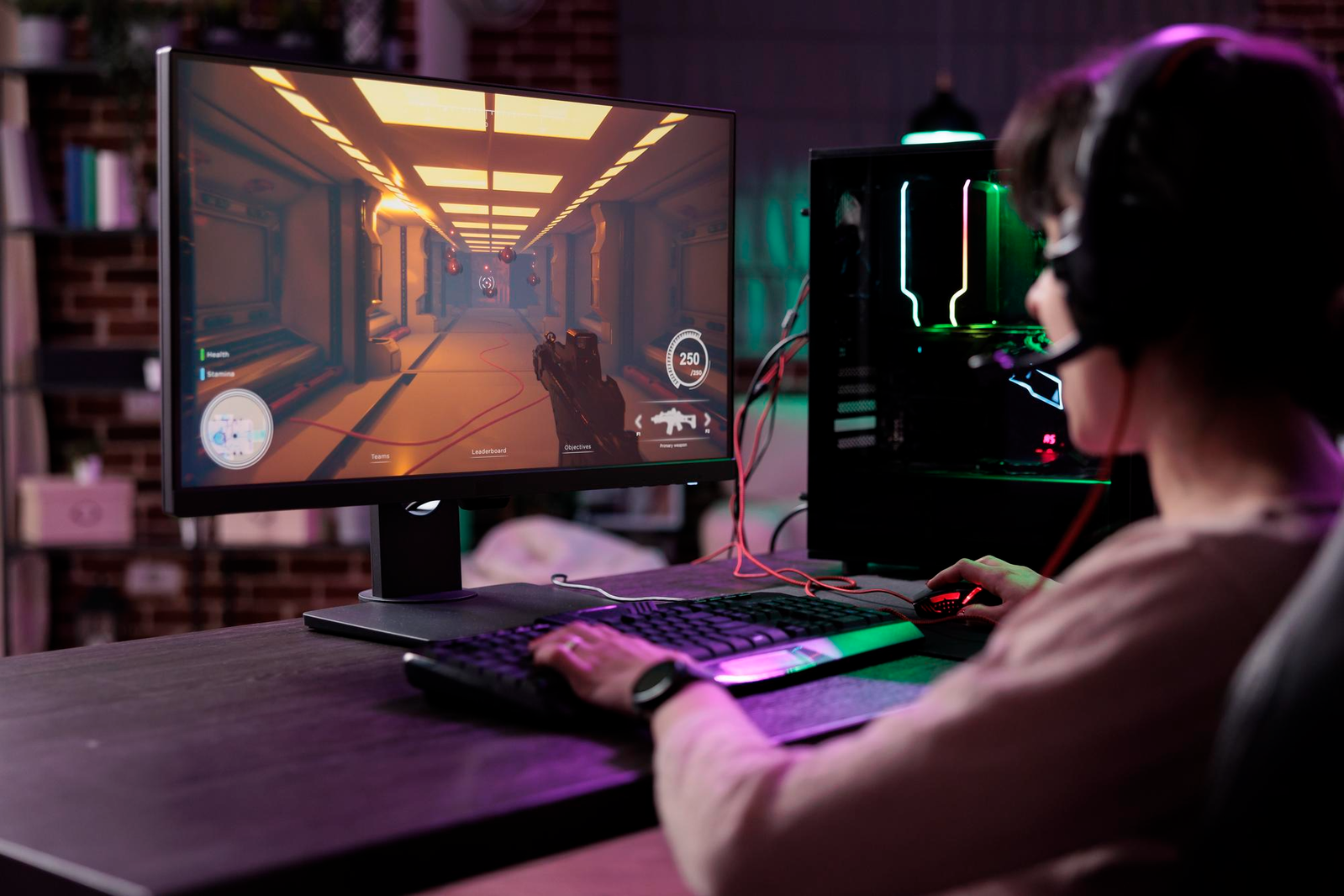
Online gaming isn’t just about playing anymore, it’s about connecting, competing, and belonging. Whether you're teaming up in multiplayer matches, chatting in-game, or hanging out on Discord servers, gaming communities now shape how players experience games every single day. From forming friendships to building rivalries and staying engaged for months or even years, these digital spaces have quietly become one of the most powerful forces behind why we keep coming back.
Gaming Is No Longer a Solo Experience
There was a time when gaming meant sitting alone, progressing through levels at your own pace. That’s changed completely.
Today, most popular games are built around interaction. You’re not just playing a game, you’re part of a shared experience where thousands (sometimes millions) of players influence what happens next.
Here’s how that shift shows up:
- Multiplayer modes encourage teamwork and coordination
- Live chats allow instant reactions and communication
- Community events create shared milestones
- Player-driven content keeps games evolving
Even if you log in for just 30 minutes, chances are you’re interacting with someone, directly or indirectly.
Multiplayer Games: Where Friendships Begin
One of the biggest impacts of digital gaming communities is how easily they help people connect.
Think about it: you join a random match, coordinate with strangers, win together, and suddenly, there’s a connection. Over time, these repeated interactions turn into something more familiar.
What makes multiplayer bonding so powerful?
- Shared goals: Completing missions or winning matches creates a sense of unity
- Repeated interaction: Playing daily or weekly builds familiarity
- Voice communication: Talking in real time adds personality and emotion
- Mutual growth: Learning and improving together strengthens relationships
- Many players start with casual teammates and eventually end up with long-term gaming friends they talk to outside the game.
Some even move from gaming chats to social media, and in rare cases, real-life meetups.
Discord and External Communities: The Real Hangout Space
While in-game chats are useful, platforms like Discord have taken community building to another level.
These spaces aren’t limited by game sessions—you can stay connected 24/7.
Why Discord communities matter so much:
- Players can organize matches anytime
- Discussions go beyond gameplay (memes, life updates, tips)
- Smaller groups feel more personal and tight-knit
- Servers often have roles, ranks, and identity within the group
Instead of logging in just to play, players log in to be part of something.
A typical gaming Discord server might include:
- Strategy channels
- Voice chat rooms
- Event announcements
- Off-topic conversations
- Community challenges
This turns gaming from a simple activity into a social routine.
In-Game Chat: Small Conversations, Big Impact
Even quick messages during gameplay can shape the overall experience.
A simple “nice play” or “gg” (good game) can instantly change how a match feels.
Positive effects of in-game chat:
- Encourages teamwork
- Builds morale during tough matches
- Helps new players learn faster
- Creates quick, meaningful interactions
But it’s not always perfect. Toxicity can also show up in chats, which is why many games now include:
- Mute options
- Reporting systems
- Moderation tools
Still, when used well, in-game communication adds a layer of energy and connection that solo play simply can’t match.
Competition: From Casual Matches to Serious Rivalries
Communities don’t just create friendships, they also fuel competition.
When players see others improving, climbing ranks, or winning tournaments, it naturally pushes them to step up.
How communities influence competitive behavior:
- Leaderboards create visible goals
- Community tournaments encourage participation
- Peer comparison drives improvement
- Friendly rivalries keep players engaged
For example, if your regular group starts reaching higher ranks, you’re more likely to practice, learn strategies, and stay consistent.
Competition becomes less about winning alone and more about keeping up with your circle.
The Role of Community in Long-Term Engagement
Why do some players stick with a game for 6 months, while others stay for 5 years?
A big reason is community.
Even when gameplay becomes repetitive, people stay because of the connections they’ve built.
Communities keep players engaged by:
- Creating routine (daily logins to meet friends)
- Introducing new challenges (community events, tournaments)
- Sharing updates and strategies
- Offering emotional connection beyond gameplay
A player might log in saying, “I’ll just play one match,” but ends up staying for 2–3 hours simply because friends are online.
Learning Through Communities: Faster Growth, Better Skills
Gaming communities are also powerful learning spaces.
Instead of figuring everything out alone, players can learn from others instantly.
Common ways players improve through communities:
- Watching experienced players
- Sharing tips and tricks
- Discussing strategies after matches
- Practicing together in teams
For example:
- A beginner might learn basic controls in 2–3 days instead of a week
- Intermediate players refine strategies through group discussions
- Advanced players analyze gameplay to improve performance
This collaborative learning makes gaming more dynamic and rewarding.
Identity and Belonging in Gaming Spaces
One of the most underrated aspects of gaming communities is how they help players build identity.
In many games, you’re not just a player, you’re known by your:
- Username
- Skill level
- Playstyle
- Role in the team
- Reputation in the community
Over time, this creates a sense of belonging.
Players often feel like:
- “I’m part of this group”
- “People recognize me here”
- “I contribute to this community”
This emotional connection is a big reason why people stay loyal to certain games.
The Balance: Positive vs Negative Community Influence
While gaming communities offer many benefits, they also come with challenges.
Positive influence:
- Encourages teamwork and collaboration
- Builds long-term friendships
- Supports learning and improvement
- Creates meaningful engagement
Negative influence:
- Toxic behavior or harassment
- Pressure to perform or stay active
- Over-competition leading to burnout
- Dependency on validation from others
The experience often depends on the type of community you’re part of.
A supportive group can make gaming enjoyable, while a toxic one can quickly ruin the experience.
How Players Can Build a Better Gaming Experience
Since communities play such a huge role, being intentional about how you engage can make a big difference.
Here are a few practical ways to improve your experience:
- Join smaller, positive communities instead of large chaotic ones
- Mute or avoid toxic players quickly
- Contribute positively, encourage teammates
- Take breaks if gaming starts feeling stressful
- Focus on fun and improvement, not just winning
Gaming feels very different when you’re surrounded by the right people.
The Future of Gaming Communities
As gaming continues to evolve, communities will only become more important.
We’re already seeing trends like:
- Cross-platform gaming bringing more players together
- Virtual events and in-game concerts
- Community-driven updates and feedback systems
- Integration with social platforms
In the next few years, gaming communities may feel even closer to real-world social spaces.
Instead of just playing games, players will live experiences together inside them.
Final Thoughts
Digital gaming communities have quietly transformed how players experience games, turning simple gameplay into something social, competitive, and deeply engaging. From multiplayer bonding to Discord conversations and in-game chats, these interactions shape how long and how often players stay connected. While challenges like toxicity exist, the right community can make gaming more enjoyable and meaningful. In the end, it’s not just about the game itself—it’s about the people you play with and the shared moments you create along the way.